The esports and gaming industry thrives on data. From tracking player behavior to optimizing in-game purchases, analytics tools help platforms make smarter decisions and improve user experiences. Here's a quick rundown of the top tools:
- Google Analytics 4 (GA4): Tracks cross-platform player journeys and custom events but uses data sampling for large datasets.
- Microsoft Power BI: Visualizes complex data but requires technical expertise.
- Matomo: Prioritizes privacy with self-hosted options, ideal for GDPR compliance.
- Adobe Analytics: Advanced segmentation for enterprise-level needs, though expensive.
- Amplitude: Real-time insights for player retention and feature optimization.
- GameAnalytics: Affordable for indie studios, focusing on core gaming metrics.
- Stream Hatchet: Specializes in streaming performance and audience behavior.
These tools cater to different needs, from small indie teams to global esports organizations. Choose based on your platform's scale, data goals, and budget.
How Evil Geniuses is using data analytics to change esports | EG CEO Interview
Top Analytics Tools for Esports and Gaming Platforms
To address the unique challenges and needs of esports and gaming platforms, here’s a breakdown of some of the most effective analytics tools available.
Google Analytics 4 (GA4)
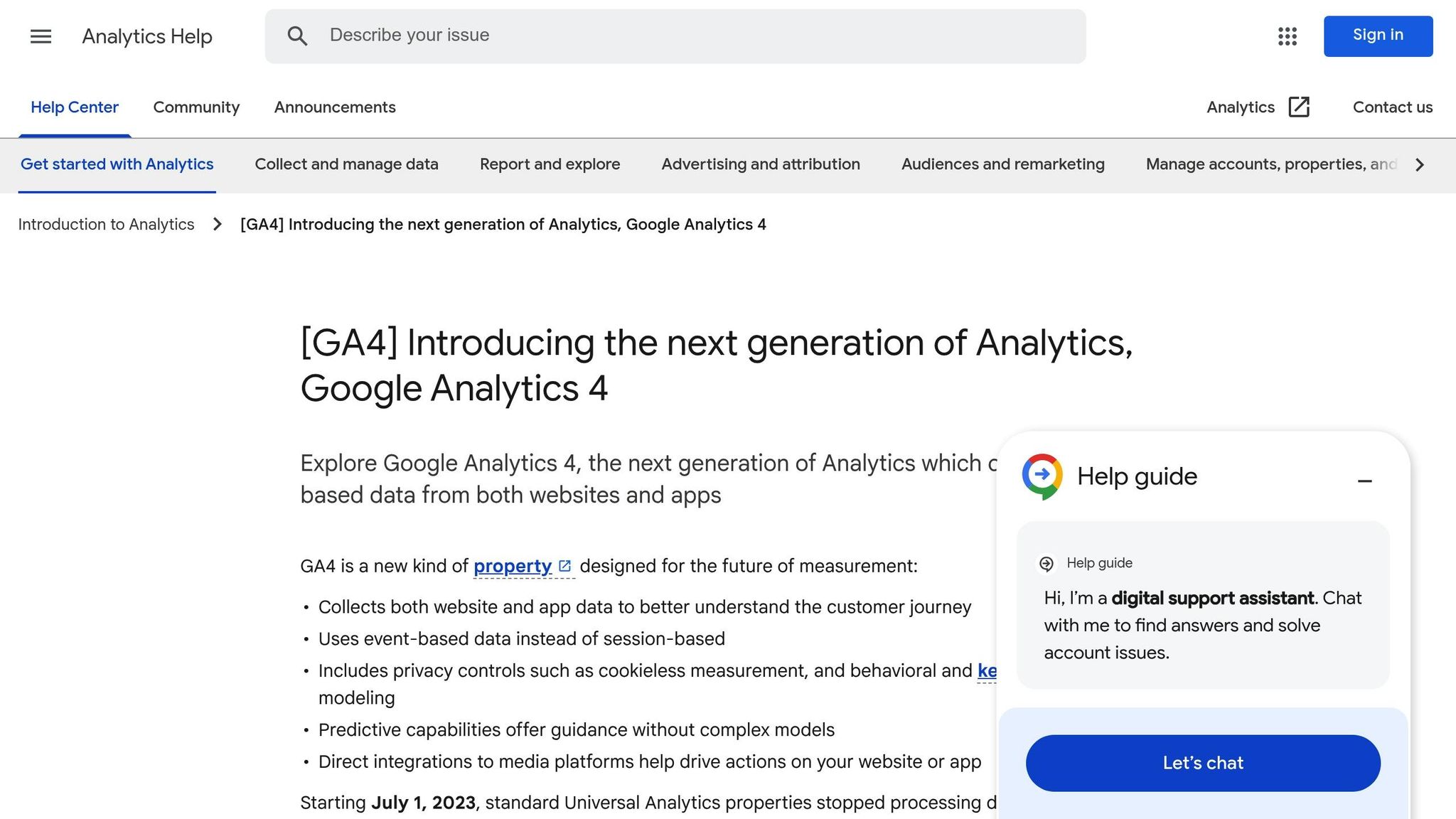
Google Analytics 4 has moved beyond traditional page-view tracking, adopting an event-based system that’s ideal for gaming platforms. Instead of simply logging visits, GA4 allows you to track specific player interactions like ability usage, item purchases, or progression milestones.
The platform supports up to 500 custom event types, enabling detailed monitoring of player journeys across multiple touchpoints . Its cross-platform tracking ensures a seamless view as players switch between mobile apps and web platforms. Plus, integration with Google’s ecosystem allows for exporting data to BigQuery for deeper analysis.
However, GA4 uses sampling for large datasets, which can sometimes reduce accuracy. The free Spark tier is a good fit for smaller studios, but larger esports platforms may find the Blaze pay-as-you-go model expensive .
For those looking for a tool focused on visualizing complex data, Microsoft Power BI is worth considering.
Microsoft Power BI
Microsoft Power BI specializes in turning complex datasets - like tournament results, player stats, and audience engagement metrics - into clear, actionable visuals. Its dashboards allow real-time analysis across various aspects of the esports ecosystem, from individual player performance to team standings and fan interactions.
That said, Power BI requires significant technical expertise for setup and maintenance. Smaller platforms might find the initial investment in resources and knowledge a bit steep.
Matomo
Matomo stands out by emphasizing privacy and data ownership. Unlike tools that send data to third-party servers, Matomo offers a self-hosted option, ensuring sensitive data stays in-house. This makes it particularly valuable for esports organizations operating internationally, where GDPR compliance is a priority.
The downside? Self-hosting requires technical know-how and ongoing maintenance. While this may pose challenges for smaller platforms, the control and compliance benefits often outweigh the effort for organizations handling sensitive data.
Adobe Analytics
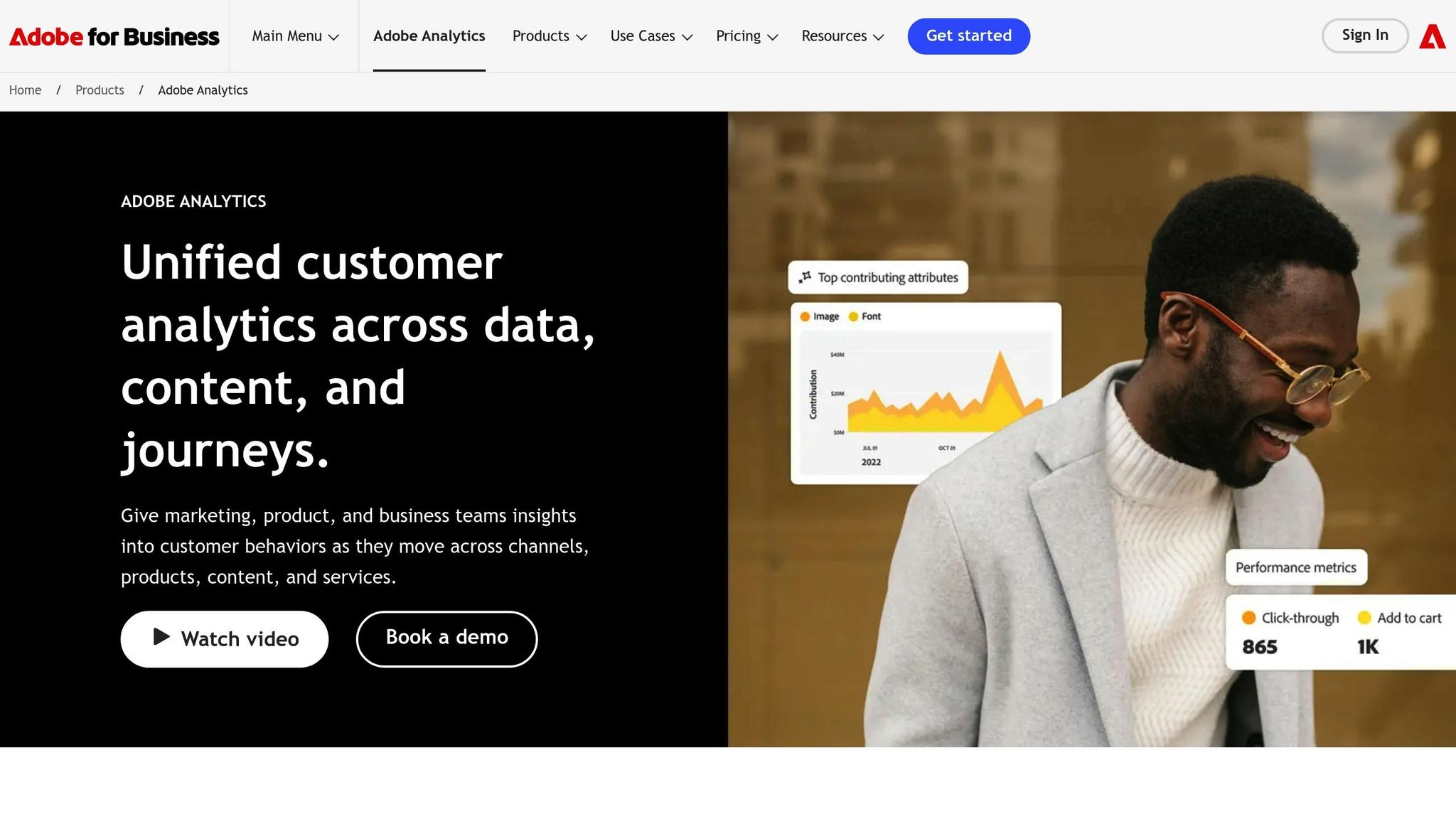
Adobe Analytics is designed for enterprise-level esports organizations. Its advanced segmentation tools let you break down data by country, platform, play style, or even specific in-game events. This enables highly targeted insights that support strategic decision-making.
Its scalability is a major strength, as it can handle the vast data volumes generated by global esports operations. Customizable reporting further enhances its appeal, but its pricing puts it out of reach for most indie studios and smaller platforms. It’s best suited for organizations managing large-scale tournaments or multiple game titles on an international level.
Amplitude
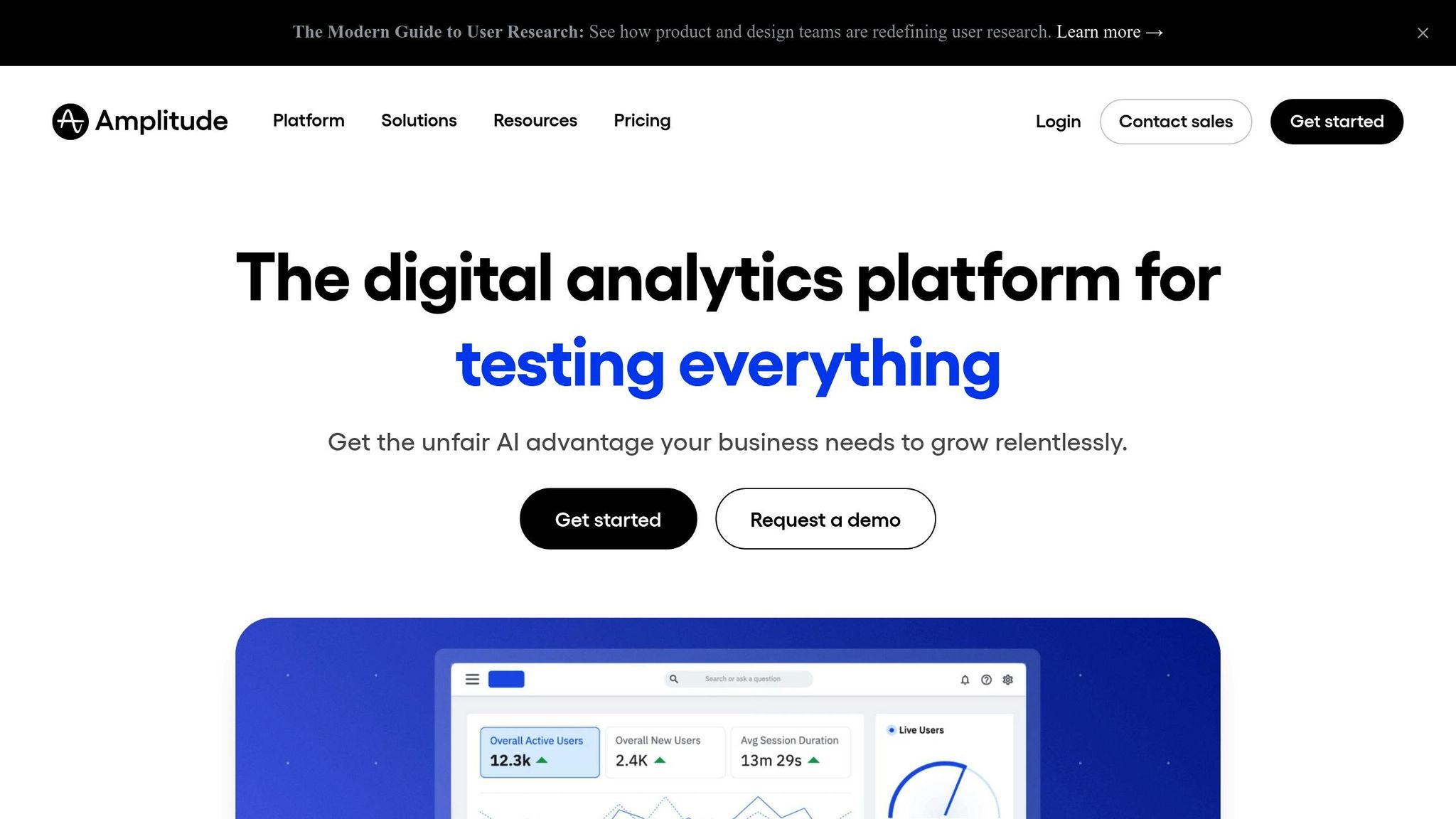
Amplitude excels in real-time player behavior tracking and feature optimization. Esports and gaming companies use it to measure the immediate effects of balance changes, new features, or LiveOps events on player engagement.
Its retention analysis tools go beyond identifying when players leave - they help you understand why they’re leaving and pinpoint critical moments for intervention. Whether it’s assisting struggling players, promoting tournaments to engaged users, or testing new matchmaking algorithms, Amplitude provides the real-time insights needed to make timely, data-driven adjustments.
From tracking onboarding flows to optimizing tournament formats, Amplitude ensures esports platforms can respond quickly and effectively to player behavior.
Specialized Tools for Esports and Gaming
While general analytics platforms provide broad tracking capabilities, specialized tools for gaming and esports take it a step further by focusing on the finer details of player behavior and audience engagement. These tools are designed to address gaming-specific metrics, offering deeper insights into performance and engagement.
GameAnalytics
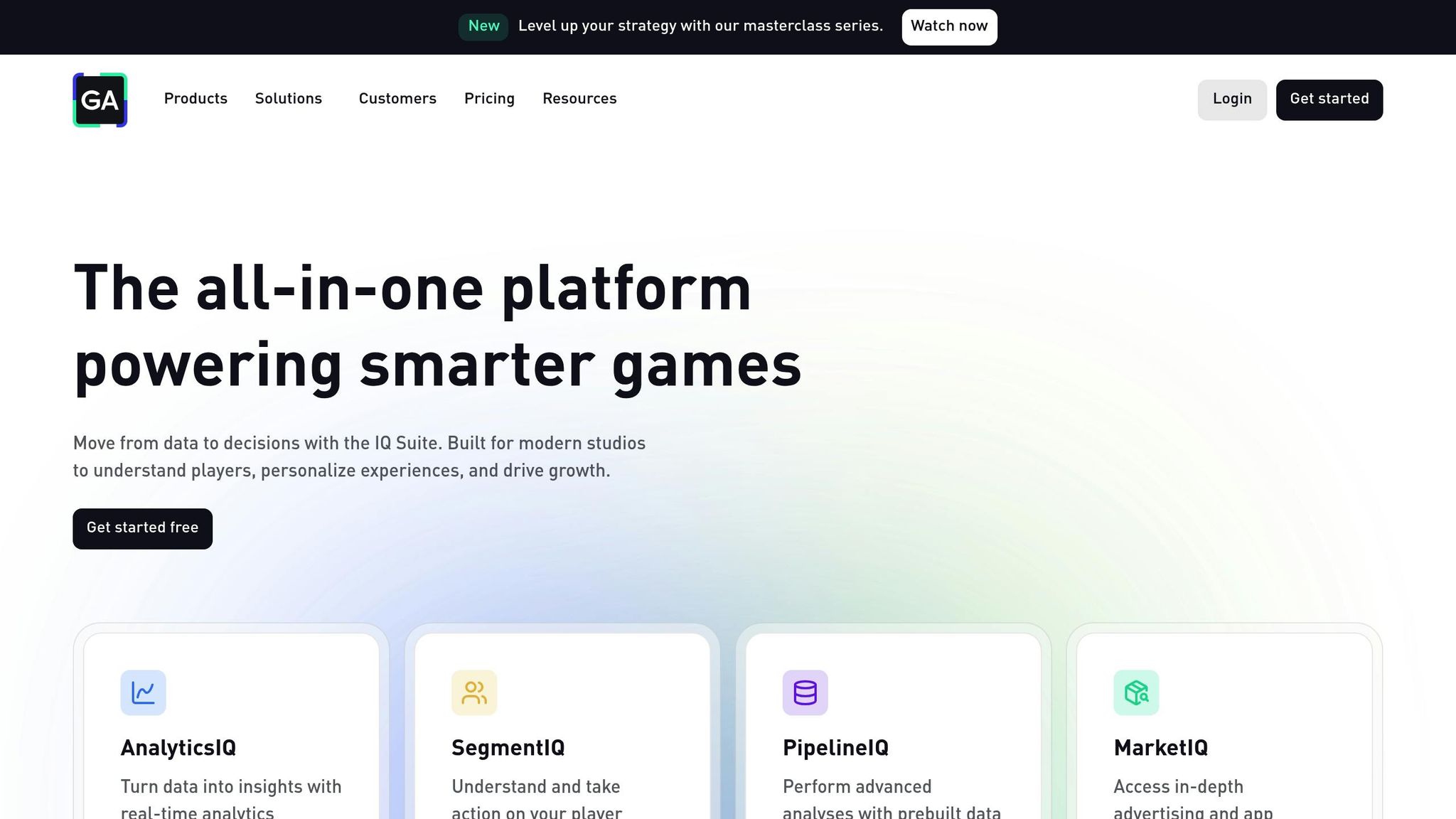
GameAnalytics is a go-to platform for mobile and indie studios, offering robust analytics without breaking the bank. Thanks to its freemium pricing model, it's accessible to developers at any stage. For games with up to 2 million monthly active users, the platform is completely free, while the Pro plan starts at $299 per month.
What makes GameAnalytics stand out is its focus on core gaming metrics. It tracks player behavior and conducts funnel analysis, helping developers identify exactly where players drop off - whether during onboarding, progression, or monetization stages. This data is invaluable for refining features, balancing difficulty, and optimizing pricing strategies.
The platform also provides key retention and monetization insights. For example, it shows how many players return over specific periods, highlights the in-game purchases generating the most revenue, and identifies the most valuable player segments. To top it off, GameAnalytics offers custom dashboards and flexible KPIs, allowing studios to track the metrics that matter most to their specific games.
Additionally, its market intelligence and ad analytics features help developers understand the competitive landscape and fine-tune their advertising spend. Being platform-agnostic, it’s an excellent choice for studios juggling multiple titles or using various tools.
Stream Hatchet
While GameAnalytics zeroes in on in-game metrics, Stream Hatchet shifts the focus to streaming performance and audience behavior. This tool specializes in streaming analytics and viewership insights, making it a valuable resource for esports organizations, broadcasters, and content creators looking to understand their audience beyond gameplay.
Stream Hatchet helps optimize streaming schedules by analyzing viewer activity data. It also identifies which content formats attract the most viewers, enabling teams to refine their content strategies based on data-driven decisions.
The platform’s streaming trends and viewership metrics complement internal performance analytics tools like Mobalytics and Augment, which focus on gameplay analysis. For example, Stream Hatchet offers insights into viewer retention patterns, helping content creators pinpoint when audiences tend to tune out. Armed with this information, teams can tweak their streaming formats, commentary styles, or pacing to maintain viewer engagement during longer broadcasts.
sbb-itb-5174ba0
Comparison of Analytics Tools
Picking the right analytics tool for your esports or gaming platform means understanding how each option measures up. Different platforms cater to varying needs, from small indie studios to massive enterprises.
General-Purpose Analytics Platforms
Tools like Google Analytics 4, Power BI, and Adobe Analytics are designed for broad tracking across industries. They excel in data collection and visualization but often require custom configurations to track gaming-specific metrics effectively.
Gaming-Focused Platforms
Platforms like GameAnalytics are built specifically for gaming. They come pre-configured with metrics tailored to the gaming industry, making them easier to set up for developers in this space.
Warehouse-Native Solutions
These tools, such as those connecting with Snowflake, BigQuery, or Redshift, integrate directly with your data warehouse. They give you full control over your data but require an existing warehouse infrastructure, which might not be feasible for smaller teams.
Pricing Models
Pricing varies significantly between platforms:
- GameAnalytics: Free for up to 2 million monthly active users, with Pro plans starting at $299 per month.
- Flurry Analytics: Completely free.
- Google Analytics for Firebase: Free Spark tier with pay-as-you-go Blaze pricing for advanced usage.
Real-Time Analytics
Modern tools like Firebase, GameAnalytics, and warehouse-native solutions offer real-time analytics. This feature is invaluable for live events, feature testing, or monetization campaigns, allowing you to act on player behavior instantly.
Integration Capabilities
Integration can be a game-changer for implementation time.
- Unity Analytics integrates seamlessly with the Unity Engine, offering features like remote configuration, A/B testing, and one-click BigQuery export.
- Google Analytics for Firebase connects deeply within the Google ecosystem, including Google Ads and Cloud services.
For developers using specific platforms or engines, native integrations save time and reduce complexity.
Key Platform Comparisons
Here’s a quick breakdown of how some popular platforms compare:
| Feature | GameAnalytics | Flurry Analytics | Google Analytics for Firebase | Power BI | Adobe Analytics |
|---|---|---|---|---|---|
| Pricing Model | Freemium ($299/mo Pro) | Free | Free/Pay-as-you-go | Subscription-based | Enterprise pricing |
| Real-Time Analytics | Yes | Yes | Yes | Yes | Yes |
| Custom Events | Yes | Yes | Up to 500 | Yes | Yes |
| Cross-Platform Support | Yes | iOS/Android | Web/Mobile/Engines | Yes | Yes |
| Predictive Analytics | Limited | No | No | Yes | Yes |
| Best For | Mobile/indie studios | Mobile developers | Google ecosystem users | Enterprise studios | Enterprise studios |
| Setup Complexity | Low | Low | Low | Medium | High |
| A/B Testing | Yes | No | Yes | Limited | Yes |
Data Ownership and Compliance
Data ownership is another critical factor. Warehouse-native solutions allow complete control by integrating directly with your data warehouse. On the other hand, SaaS platforms like Firebase are easier to implement but may involve some data movement and reliance on the vendor.
Implementation Times
Setup times can vary widely:
- Firebase and Flurry Analytics offer minimal setup, often ready for deployment within days thanks to automatic event tracking for standard metrics.
- GameAnalytics requires integrating an SDK but is designed to be straightforward for mobile and indie developers.
- Warehouse-native platforms typically take two to four weeks for full implementation, including data pipeline setup.
Final Thoughts
Your choice depends on your team’s needs, budget, and current infrastructure. Indie developers might lean toward free or affordable options like Flurry Analytics or GameAnalytics' free tier. Meanwhile, enterprise studios with complex data demands may find the investment in tools like Adobe Analytics or warehouse-native solutions worthwhile for advanced features like segmentation and predictive modeling. Whatever your choice, the right tool can help you maximize real-time performance and keep players engaged.
How to Choose the Right Analytics Tool
Picking the right analytics tool is a big deal for esports platforms. It impacts daily operations and shapes long-term strategies, so understanding your platform's specific needs is the first step before committing to any solution.
Start by assessing your data volume and scale. The amount of player data you handle will dictate which tools can keep up with your operations. For instance, GameAnalytics offers a free tier for up to 2 million monthly active users (MAUs), making it a solid choice for smaller studios or mobile games. But a platform managing 500,000 MAUs has vastly different needs compared to one tracking 5 million players across PC, console, and mobile. Also, think about how quickly you need access to actionable insights.
Real-time analytics can be a game-changer. In competitive gaming, having real-time data is critical. Tools like Firebase and Mitzu.io provide live tracking, allowing you to monitor player behavior as it happens and make quick adjustments during events or monetization campaigns. On the other hand, traditional batch-processing tools may fall short when it comes to the fast pace of esports.
Check how well the tool integrates with your current tech stack. If you're already using Unity, Unity Analytics offers built-in event tracking that works seamlessly. For teams deeply tied to Google’s ecosystem, Firebase Analytics integrates across web, mobile, and game engines while connecting with Google Ads and Cloud services. If your organization relies on data warehouses like Snowflake, BigQuery, or Redshift, warehouse-native platforms can simplify operations by reducing data silos.
Factor in your budget. Cost is always a consideration. Some tools, like Flurry Analytics, are completely free, making them appealing for budget-conscious developers. GameAnalytics has a free tier but starts charging $299 per month for its Pro plan once you exceed the limits. Firebase offers a free Spark tier, with a pay-as-you-go Blaze model for advanced features. Similarly, Mitzu.io is free for moderate use but introduces costs for exporting large data volumes or exceeding quotas. Be sure to calculate costs based on your expected player base and data needs.
Think about your team’s technical expertise. Not every organization has a dedicated data team. Tools like Flurry Analytics and GameAnalytics are user-friendly and require minimal setup, making them ideal for indie studios. Mitzu.io provides self-service analytics but needs some initial configuration to connect with your data warehouse. Platforms like Amplitude offer advanced tracking for up to 2,000 unique events per project, but they may demand more technical know-how. If resources are limited, look for tools with prebuilt dashboards and automatic event tracking.
Ensure data control and compliance. For platforms operating across multiple regions, compliance with privacy regulations is critical. Warehouse-native tools offer full control over your data, letting you segment and manage it by region or country to meet local requirements. This level of control is invaluable for maintaining compliance in multi-jurisdiction operations.
Match tool features to your business goals. Mobile game studios might prioritize player behavior analysis, retention tracking, and monetization insights - all features in GameAnalytics. Cross-platform games can benefit from Firebase Analytics, which supports real-time data and up to 500 custom event types for audience segmentation. If your focus is on player cohort analysis and personalized offers, Mitzu.io’s predictive analytics capabilities are worth exploring. For esports teams, specialized features like scrim analysis, VOD reviews, and tactical game analytics - available in tools like Augment - can be indispensable.
Plan for scalability. The tool you choose should grow with your platform. What works now might not hold up as you expand. Warehouse-native solutions often scale more efficiently by leveraging your existing infrastructure, while cloud-based tools might require plan upgrades or architectural tweaks as data volumes grow. Consider where your platform will be in the next year or two, not just where it stands today.
Ultimately, the right analytics tool should align with your team’s capabilities, technical requirements, and budget. Whether you’re a small studio using free tools or a large enterprise investing in advanced platforms, the key is finding what works best for your unique needs.
Conclusion
Choosing the best analytics tool for your gaming platform means finding one that aligns with your specific needs, budget, and growth plans. The gaming world requires tools that can handle massive data loads, deliver real-time insights, and scale alongside your platform as it evolves.
Given the demand for personalized insights, cross-platform functionality is a must. Gamers interact across mobile devices, consoles, PCs, and web browsers, so your analytics solution needs to track player behavior seamlessly across all these platforms.
Scalability is another key factor for long-term success. As your user base and data volume grow, your analytics tool must grow with them. Warehouse-native platforms offer a cost-efficient way to scale by connecting directly to your existing data infrastructure. This approach avoids vendor lock-in and cuts down on data movement costs, making it a smart choice for expanding platforms.
The ability to process data in real time sets apart ordinary tools from those that truly excel. In the competitive gaming space, waiting for batch-processed reports can mean missed opportunities. Real-time analytics let you track player behavior as it happens, adjust monetization strategies on the spot, and react instantly to engagement trends during live events. Add predictive analytics into the mix, and you can anticipate issues like player churn or revenue dips - giving you the chance to act before problems arise.
When deciding on a tool, consider its ease of implementation and the level of analytical depth it offers. Teams with limited technical expertise might prefer simpler tools with pre-built dashboards, while organizations with data scientists can unlock the full potential of advanced platforms.
For esports organizations with a focus on competitive performance, specialized tools like Augment, Mobalytics, and PandaScore deliver features tailored to their needs. These platforms provide scrim analysis, tactical gameplay insights, and even live odds generation - capabilities that general gaming analytics tools simply don’t offer. Their targeted design makes them invaluable for teams prioritizing competitive edge over casual engagement.
FAQs
What should I look for in an analytics tool for my esports or gaming platform?
When selecting an analytics tool for your esports or gaming platform, it’s important to focus on features that match your specific requirements. One key aspect to consider is cross-platform compatibility, which ensures smooth integration across consoles, PCs, and mobile devices. This allows you to gather and analyze data seamlessly, no matter where players are engaging.
Another must-have is real-time analytics, enabling you to monitor player behavior, engagement, and in-game performance as it happens. This kind of immediate insight is invaluable for making quick adjustments and improving the overall gaming experience.
You’ll also want a tool with customizable dashboards that make it easy to visualize and track the metrics that matter most to your platform. For platforms that are scaling, choosing a solution with scalability ensures the tool can grow alongside your user base without missing a beat.
If marketing is part of your focus, look for tools that offer detailed audience insights and campaign performance tracking. These features can help fine-tune your strategies and maximize your reach. The right analytics tool should ultimately give you the data you need to enhance player satisfaction while boosting your platform’s overall performance.
How does real-time analytics enhance decision-making for gaming and esports platforms?
Real-time analytics is a game-changer for gaming and esports platforms, enabling quicker, smarter decision-making. By delivering instant insights into how players behave, how games perform, and how audiences engage, these tools empower platforms to stay agile, respond to trends, and refine user experiences on the fly.
Take this for example: platforms can spot gameplay imbalances as they happen, monitor live audience metrics during tournaments, or tweak in-game monetization strategies based on up-to-the-minute data. This not only streamlines operations but also boosts player satisfaction and keeps them coming back for more.
What advantages do gaming-specific analytics tools offer compared to general analytics platforms?
Gaming analytics tools are built specifically for the esports and gaming world, catering to the unique demands of these platforms. They dive into player behavior, track in-game metrics, and analyze performance across different platforms, offering insights that general-purpose tools simply can't match.
These tools excel at real-time data tracking, uncovering engagement patterns, and fine-tuning monetization strategies - all tailored to gaming ecosystems. With them, you can dig deeper into player retention, refine matchmaking systems, and create better user experiences. Plus, they help identify ways to improve gameplay and boost revenue, giving gaming businesses a leg up in an industry that's constantly evolving.